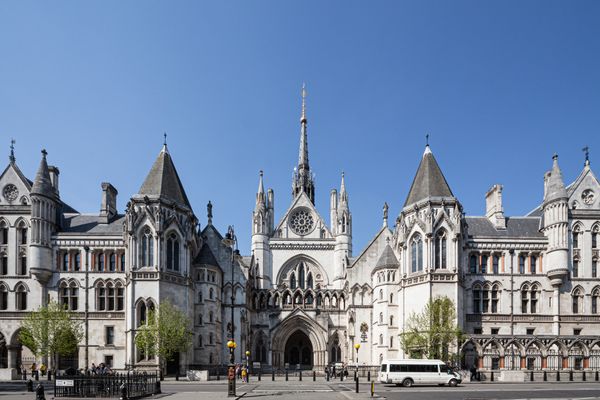
Injunctions, superinjunctions & SLAPPs, what are they? The distinction between protecting private information and concealing the exercise of judicial power is squarely back in public discussion as of November 2026. Injunctions, SLAPPs and superinjunctions are often terms associated with this balancing act. But what are they?
Subverting the British People through language: “ethnic minorities” James Stoker examines the language of ethnicity and national belonging, arguing that official terminology obscures the distinction he draws between ancestry and citizenship.
Micahel Reiners Cambridge Circus Research: Breaking the Charity Blob Cambridge Circus Research is part of the new class of policy projects trying to map power rather than merely complain about it. Its debut report, Breaking The Blob, asks whether parts of Britain’s charity and NGO world have become a taxpayer-supported opposition circuit against elected government.
J. Treek Why Does the Future Look So Ordinary? We can build autonomous cars, artificial intelligence and reusable rockets. J. Treek asks why so much of the world they inhabit looks so timid, and whether Britain can imagine a technological future with a character of its own.
Michael Reiners EU Commission Refuses to Register the 'Save Europe Act' as Citizens’ Initiative The European Commission has refused to register the Save Europe Act as a Citizens Initiative – the EU equivalent to a parliamentary petition – ruling that its use of of "Non-Western" migration is manifestly discriminatory contrary to Article 21 of the EU Charter and the values of Article 2 TEU.
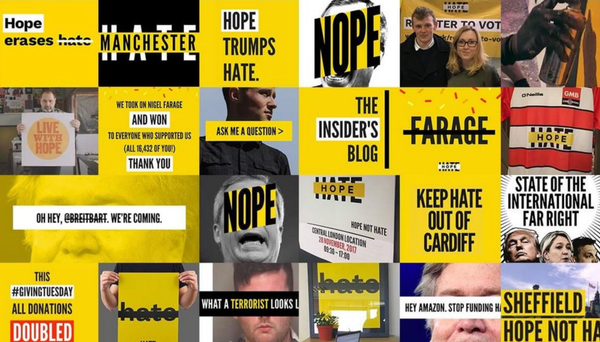
Michael Reiners Everything You Wanted to Know About Hope Not Hate* (*But Were Afraid To Ask) Hope Not Hate, an organisation which continuously flirts with criminality with apparent CPS immunity. It continues the work of its disgraced predecessor, Searchlight. Scrutiny of this organisation reveals exploitation of English law to further the ambitions of the Labour Party.
Michael Reiners The Judiciary & AI, strange bedfellows Michael Reiners discusses the implementation of AI into the judicial process, where it is welcome and where it is not, and how it may offer to obliterate the 'bean-counter' justice Britain has developed. Of renewed relevance after Labour's Courts & Tribunals Bill (2026)'s attempt to curb jury trial.
Michael Reiners The Cause of England’s auto-immune disease: The Public Order Act (1986) Michael Reiners discusses The Public Order Act (1986)'s ill effects on Britain. Those effects are regular features in Britain's news-cycle, and felt by many. In speech, it has come to act like an auto-immune response against the natural people of the British isles. This article explains.
Michael Reiners Keir Starmer: Prime Ministerial Imposter Syndrome (written July 5th 2024) Michael Reiners, writing on the eve of the 2024 election, argues that Starmer’s vast majority rests on Conservative collapse and Reform’s insurgency - leaving Britain’s new Prime Minister, most comfortable as a prosecutor, to impersonate authority while constrained by the ECHR settlement.
House of The People: An Experiment in Direct Democracy 'House of The People' lets voters judge the same bills Parliament votes on in real-time, then compares public results with MPs, Lords, parties, while cataloging laws and statutory instrument. It makes democratic distance visible, bill by bill.
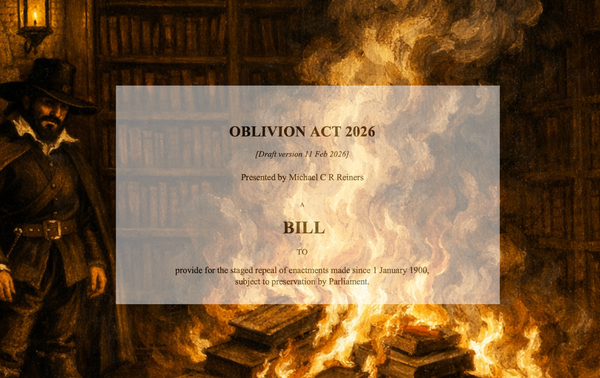
The Oblivion Act: A Wide ‘Great Repeal Act’ Michael Reiners proposes The Oblivion Act, an instrument to force the permanant state to justify the laws it needs, and disposes en masse of the rest. A 'wide' approach to a 'Great Repeal Act', in which Parliament merely saves what law remains necessary, useful, and in the national interest.
UKGovScan: making the British state searchable UKGovScan makes the British state searchable. It pulls public contracts, political donations, MPs’ and Lords’ interests, lobbying, council spending, aid, schools and company data into one place, giving journalists and citizens a faster way to follow public money and ask sharper questions.
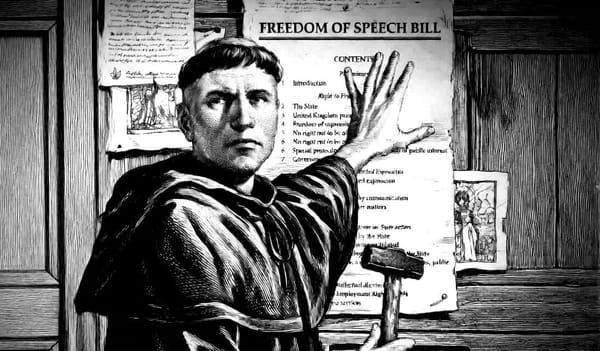
Michael Reiners Featured Why Britain must adopt the Freedom of Speech Bill (2026) Michael Reiners, co-author of the Freedom of Speech Bill (2026) alongside Preston Byrne and Elijah Granet, argues that adoption of the Bill, by ascendant political parties, is necessary. He also sets out some of the diagnoses which led to its creation.
Michael Reiners Featured A British Citizenship Reset – The 'BINCA' Bill Michael Reiners proposes The 'British Indigeneity, Nationality & Citizenship Act'. It provides a means to rectify the post-imperial citizenship era, a streamlined route to citizenship for the British diaspora and algorithmic review for those who present as an economic and social burden.
Michael Reiners Featured How To Destroy A Hostile Constitution: An Instruction Manual (June 2025) Michael Reiners provides a constitutional restructuring program. From utilising emergency powers, packing the Lords with 250 new peers, abolishing 500+ public bodies to withdraw from human rights treaties. He proposes locking changes behind referendum supermajorities.
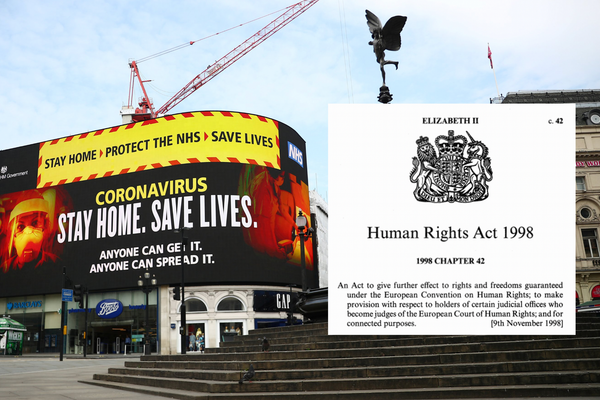
Michael Reiners The Human Rights Act: A Fitness for Purpose Review in the Wake of the 2020-23 'Lockdowns' Michael Reiners reviews the life of the Human Rights Act (1998), and, whether it is fit for purpose after the coronavirus 'lockdowns' (2020-23). Its failure to protect the basic liberties during that time calls into sharp focus the need for a more robust bill, as a guarantor of English liberty.
Michael Reiners The Gatehouse: An Emblem of Architectural Englishness Michael Reiners argues that the gatehouse is an enduring symbol of architectural Englishness. With origins in Saxon Burgh-Geats, enduring into Christian ecclesiastical colleges. For the Tudors, gatehouses become a dynastic and chivalric motif, and later, the emblem of the English parliament.
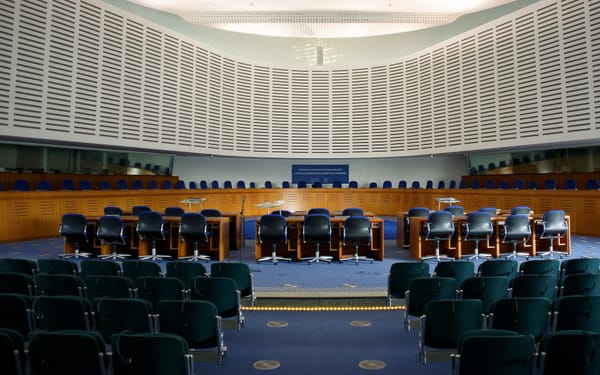
Michael Reiners The Case Against the ECHR – The EU rejected it, why not Britain? (2022) Michael Reiners makes the case against the ECHR. He discusses the history of the European Court of Justice and ECHR's fallout – which arose as the Syrian refugee crisis, and other mass-migration events that exploited that crisis, were unfolding.
Michael Reiners Featured England is Under Attack, From All Sides, & Within This diagnostic essay, written in the latter portion of 2024 and published in February 2025, aims to explain in detailed legal terms why Britain (and crucially, England) is experiencing the malaise that it currently endures.
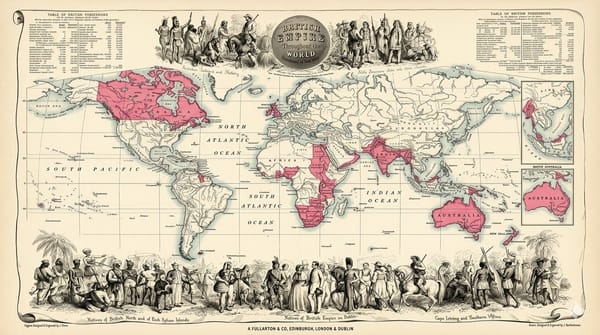
Michael Reiners England, Britain, "The Yookay" and how to distinguish them Michael Reiners discusses England, Britain, The UK, and how to distinguish them. He charts the legislative changes which led us to stop describing the entire British isles as "England", then "Britain", and far more recently, led us to adopt the initialism of "The UK". A lesson in Yookayification.
Michael Reiners The great wage squeeze: Why Nothing Works Michael Reiners discusses the concerted policy effort to ensure that everyone in Britain paid precisely the same amount.
Constitutional Restoration The English Defence (Firearms) Bill 2025 (Drafted June 2025) A bill to uncover the English right to bear arms. Granted in the 1689 Bill of Rights. Concealed by centuries of subsequent legislation, which like so many English liberties, whittled it away.
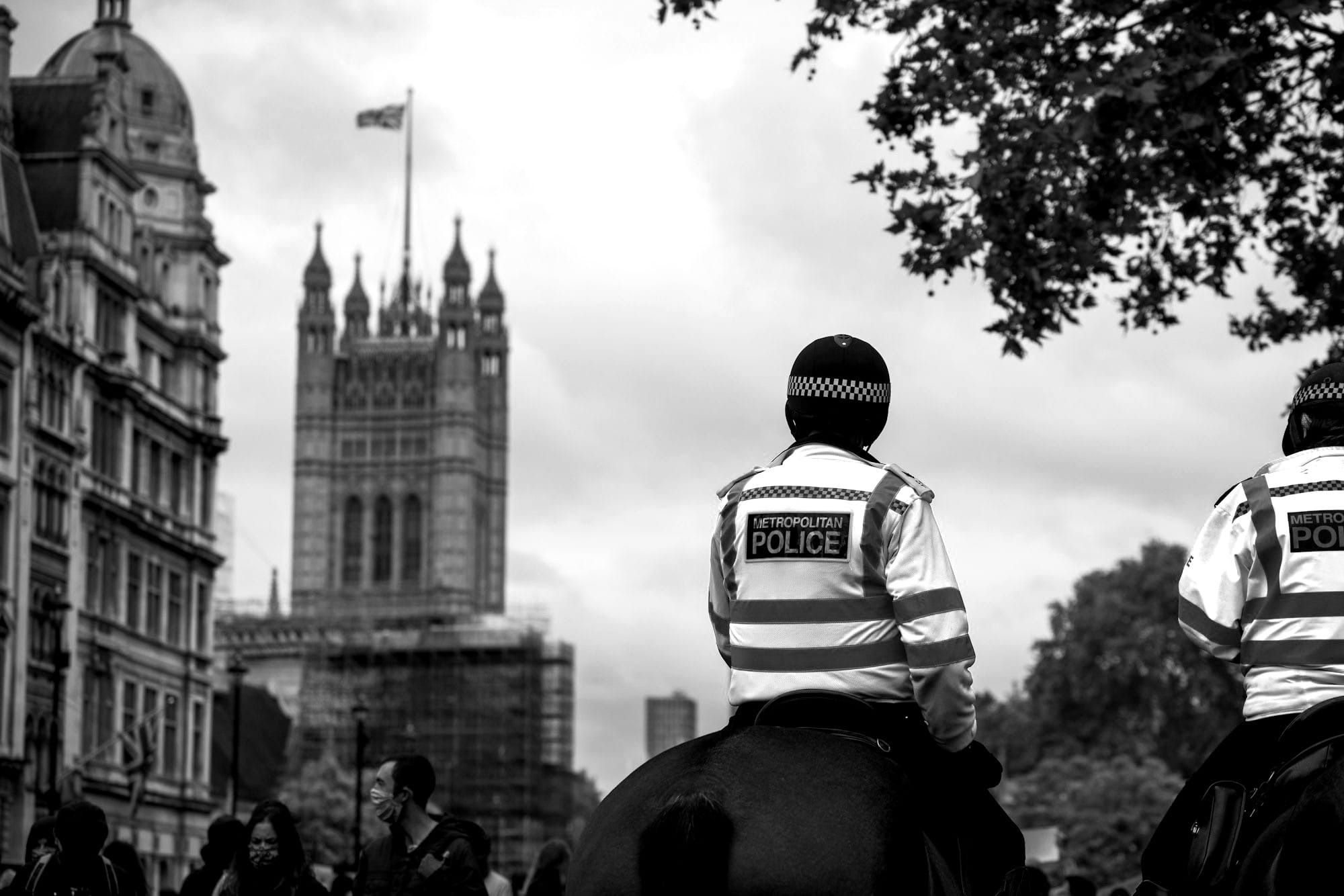
Michael Reiners Knock Knock: What to Do When Police Arrive Over Online Speech Britain is no longer a rich country, or a free country. Our constitution has been smashed into 1000 pieces, its existence hidden from the normal man. This article explains what to do when police attempt to use that mashed-up constitution to render you a criminal, for speaking your mind.
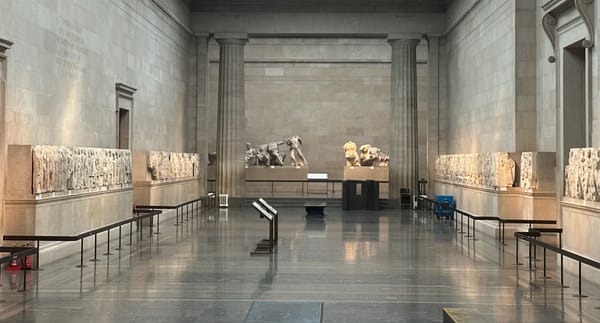
Michael Reiners A Legal Certainty; They’re Our Marbles Michael Reiners gives a legal & art-historical overview of the Elgin Marbles, past and present; this is intended for the assistance of trustees and politicians who seek to use these artefacts for their own purposes.
Michael Reiners Liberty Lost: How England Became a cautionary tale for digital free speech. Michael Reiners provides survey of developments in our courts & legislature in recent years – with particular reference to the responses to online activity. Those responses are bereft of understanding of the internet and its culture.