
The Human Rights Act: A Fitness for Purpose Review in the Wake of the 2020-23 'Lockdowns'
Michael Reiners reviews the life of the Human Rights Act (1998), and, whether it is fit for purpose after the coronavirus 'lockdowns' (2020-23). Its failure to protect the basic liberties during in that time calls into sharp focus the need for a more robust bill, as a guarantor of English liberty.

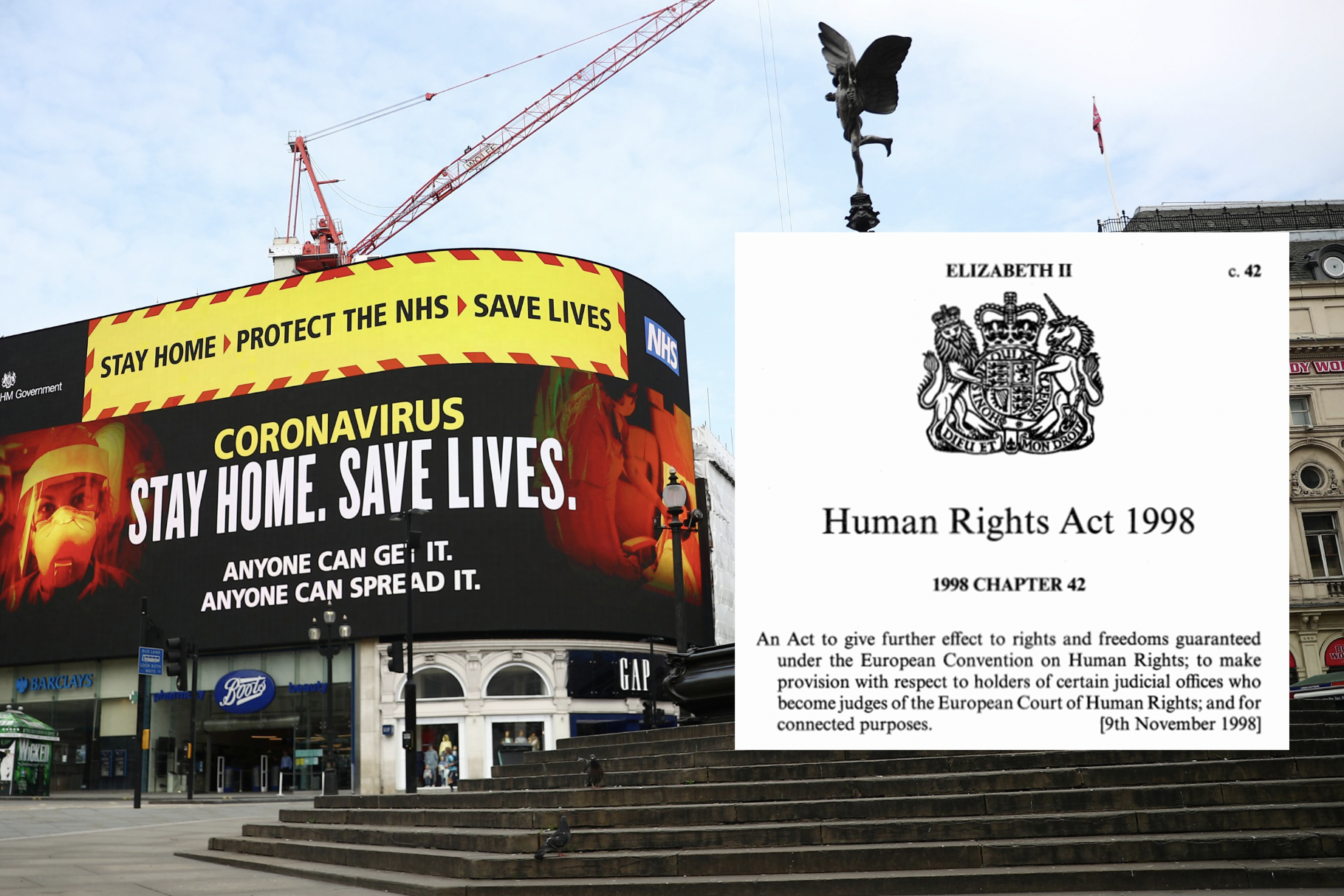
OVERVIEW
The Human Rights Act 1998 (“The HRA”) is one of the most significant and controversial pieces of UK primary legislation to enjoy the status of constitutional statute. In the 2012 Brighton Declaration, it was implicitly recommended by the European Court of Human Rights (“the ECtHR”), as the model for all European Convention on Human Rights signatories (“ECHR”), chiefly for its ability to take caseload away from the Strasbourg court and fulfil the doctrine of subsidiarity. The HRA has, however, also attracted criticism from politicians of all persuasions; for example, former Prime Minister David Cameron proposed a “British Bill of Rights” in 2011, and even Tony Blair urged for review in 2006, amid the so-called war on terror. In addition, the UK’s political landscape has shifted from New Labour’s aspirations for unity with the European Union, to severance under Boris Johnson’s administration in 2019. Crucially, the HRA’s efficacy as a constitutional statute was tested by the UK government’s reaction to the outbreak of SARS-CoV-2 (“Covid”) and the “lockdowns” and associated restrictions imposed by the UK government from March 2020 to 2023. The HRA’s fitness for purpose will be assessed by examining, first, the impact of rising Euroscepticism, its electoral successes, and a shift in domestic and geopolitical positioning of the UK in Europe, from 1998 to 2019; and second, how the advent of Covid and the associated restrictions imposed by the UK government since March 2020 have presented both existential challenges to the HRA, and meaningful opportunities for the HRA to demonstrate its utility, in which it failed to do so. This article will demonstrate the legitimate concerns for the HRA’s future, and argues it is no longer fit for purpose.
I. THE HRA’S ORIGINS
THE HUMAN RIGHTS ACT AS A SOLUTION TO AN ECtHR PROBLEM
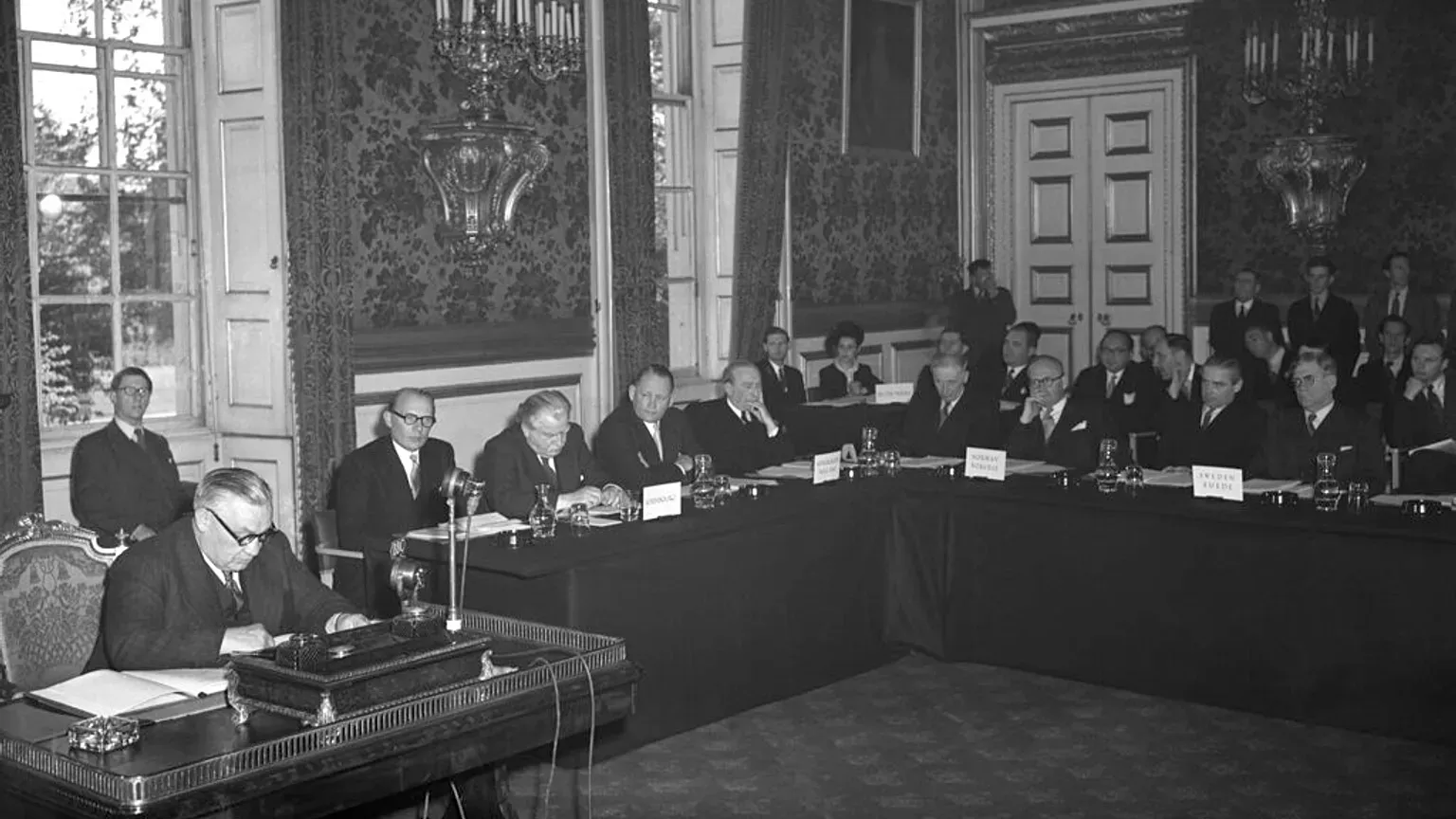
The HRA is a British Act of Parliament, enacted under the Labour majority government of 1997. The bill was introduced to parliament in 1998 and came into effect in 2000. The HRA gives further effect to the ECHR, an international treaty which the UK ratified in 1951 and came into force in 1953. The ECHR (the treaty) and the European Court of Human Rights in Strasbourg that it created (“ECtHR”) are both creations of The Council of Europe, which is separate and distinct from the present-day European Union.
The ECHR was created to protect the civil and political rights of its signatories. The drafting and ratification of the ECHR by the Council of Europe, then consisting of only 12 members, can be viewed as a post-war, peace-keeping project; its goal, to "substitute for age-old rivalries the merging of their essential interest". At its creation, the ECHR’s focus was on states, not individuals. Arguably, the project was to create a European court, with adequate punitive powers to arbitrate disputes between the states of Europe, thus avoiding further mechanised conflict or the conditions that might give rise to it. It was not until 1966, under Harold Wilson’s government, that the UK accepted the jurisdiction of the ECtHR and the right of individuals to make applications to it. (Source: Treaty of Paris (ECSC) Preamble (quoted in Hansard, 6 Dec 1990))
In 2009, Lord Hoffman suggested that the right of individual petition had resulted in the ECtHR viewing its role as similar to that of the Supreme Court of the United States, handing down federal law to Europe. Hoffman stated that:
“The problem is the [ECtHR]; and the right of individual petition, which enables the Court to intervene in the details and nuances of the domestic laws of Member States.”.
In agreement, Pinto-Duchinsky (of Policy Exchange) suggests that mission-creep now means that the court, not the convention, has “significant influence over the actions of governments of the 47 [signatories]” and has failed to take into account cultural differences between states in its jurisprudence. One of the most drastic shifts was the expansion of the court’s jurisdiction following the fall of the Soviet Union and the disintegration of the former Yugoslavia; as Duchinsky puts it: “In 1989, there were 22 member states to the Convention; by 2010, this had risen to 47”. (Source:Lord Hoffmann, 'The Universality of Human Rights' (19 March 2009), para 44)
Thus the present understanding of the ECHR as a document which enshrines individual rights and the ECtHR presiding over a 47-nation-wide jurisdiction (and a population of 820 million), from Strasbourg, seems at odds with the principles with which the court was created. From one perspective, the ECtHR is an inter-state arbitration body which has taken on the role of a federal court.
ECHR AS A LIVING INSTRUMENT
The contrary position was first articulated in the case of Tyrer v the United Kingdom:
The Court must also recall that the Convention is a living instrument which, as the Commission rightly stressed, must be interpreted in the light of present-day conditions. In the case now before it the Court cannot but be influenced by the developments and commonly accepted standards in the penal policy of the member states of the Council of Europe in this field". (Emphasis added).
(Source: Tyrer v United Kingdom (1978), para 31 (ECtHR))
The “living instrument” position has been restated several times since Tyrer. Some, like Francesca Klug, propose there is evidence to suggest that dynamic interpretation and an expanded role for the Court were intended at the time of drafting. Notably, the preamble of the ECHR itself mentions a commitment to “the maintenance and further realisation of human rights and fundamental freedoms”. (Source: ECHR Preamble (Convention text))
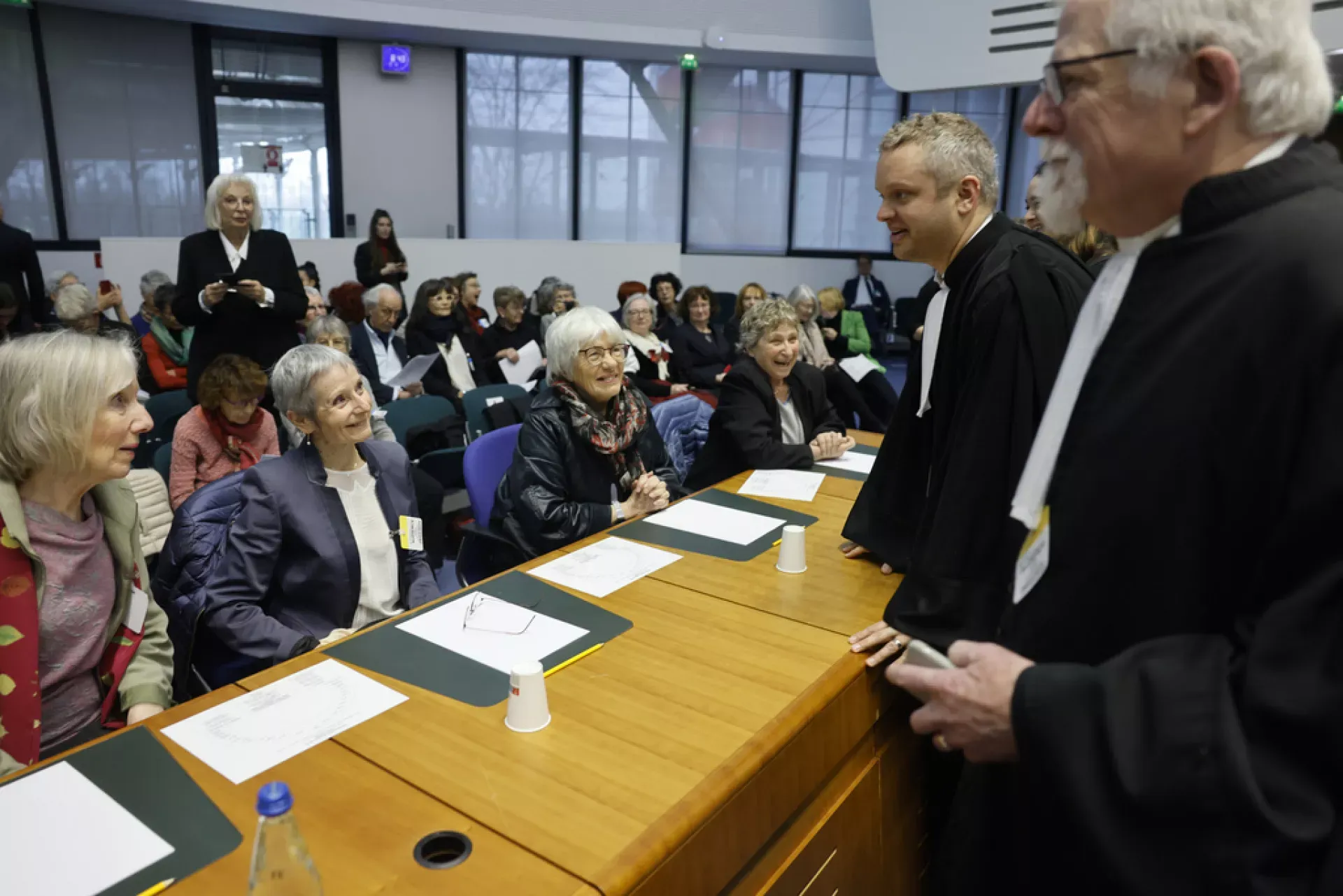
To return to the judgement in Tyrer, the Court strongly suggests that “commonly accepted standards in the penal policy of member states” should be used as a benchmark. If the ECHR is indeed a living instrument, it is the ECtHR’s judges who decide when and where it is alive, with demonstrable impacts on domestic policy. This also underlines the concern that the ECtHR appears increasingly at ease passing judgement on issues that Britain's “Parliament [has] expressed a settled opinion on”, such as prisoners’ voting rights.
MISSION CREEP: SELF-REFLECTION FROM STRASBOURG
The practical effects of the ECHR’s mission-creep are acknowledged obliquely by the ECtHR itself. Expanded membership and the advent of direct applications from individuals have caused the ECtHR’s caseload to rise from just 36 cases between 1960-1979, to 695 in the year 2000 alone. By December 2011 the caseload recorded reached 151,600. This increase in volume was identified by the Committee on Legal Affairs and Human Rights as partly the result of “repeat violations in Italy, Poland, Romania, Russia, Turkey, and Ukraine”.
In April 2012 the High Level Conference on the Future of the European Court of Human Rights took place. Subsequently the Brighton Declaration stressed the need to cooperate to resolve the deficit between “applications introduced and applications disposed of”, and reaffirmed subsidiarity as central to addressing the caseload problem. Nations were encouraged to implement the principles of the Convention at a national level. The model recommended to national parliaments and courts closely resembled the HRA. (Source: Brighton Declaration (2012))
WHAT IS THE HRA’S ROLE IN THIS DILEMMA?
With regards to the ECtHR and ECHR, the question of whether “maintenance and further realisation of human rights and fundamental freedoms” should continue is seldom raised; instead, disagreement arises over how best this aim can be served. Neither the UK’s 1951 ratification of the ECHR or the 1966 acceptance of the ECtHR’s jurisdiction constituted a change in UK domestic law. Instead, both decisions were taken by the UK government using prerogative powers; as such, separate domestic legislation would be required to give it force in the UK’s domestic courts.
The Labour majority government of 1997’s white paper, entitled “Rights Brought Home: The Human Rights Bill” proposed an act that would fill this gap in domestic legislation. Both the contents of the white paper and the political marketing of the bill as “bringing rights home” suggest an intention to make the process of enforcing ECHR rights more available to individuals by reducing “inordinate delay and cost” for individuals petitioning the ECtHR. (Source: Rights Brought Home: The Human Rights Bill (White Paper, 1997))
II. THE CONTROVERSIES
THE BLAIR YEARS
The HRA was introduced during a period characterised by New Labour’s optimism for constitutional reform following the landslide Labour majority of the 1997 general election, and by increasing globalisation and political integration between Britain and Europe. The first Blair government had European-facing aspirations and had been handed a mandate built on the foundations of John Major’s failings in this regard.
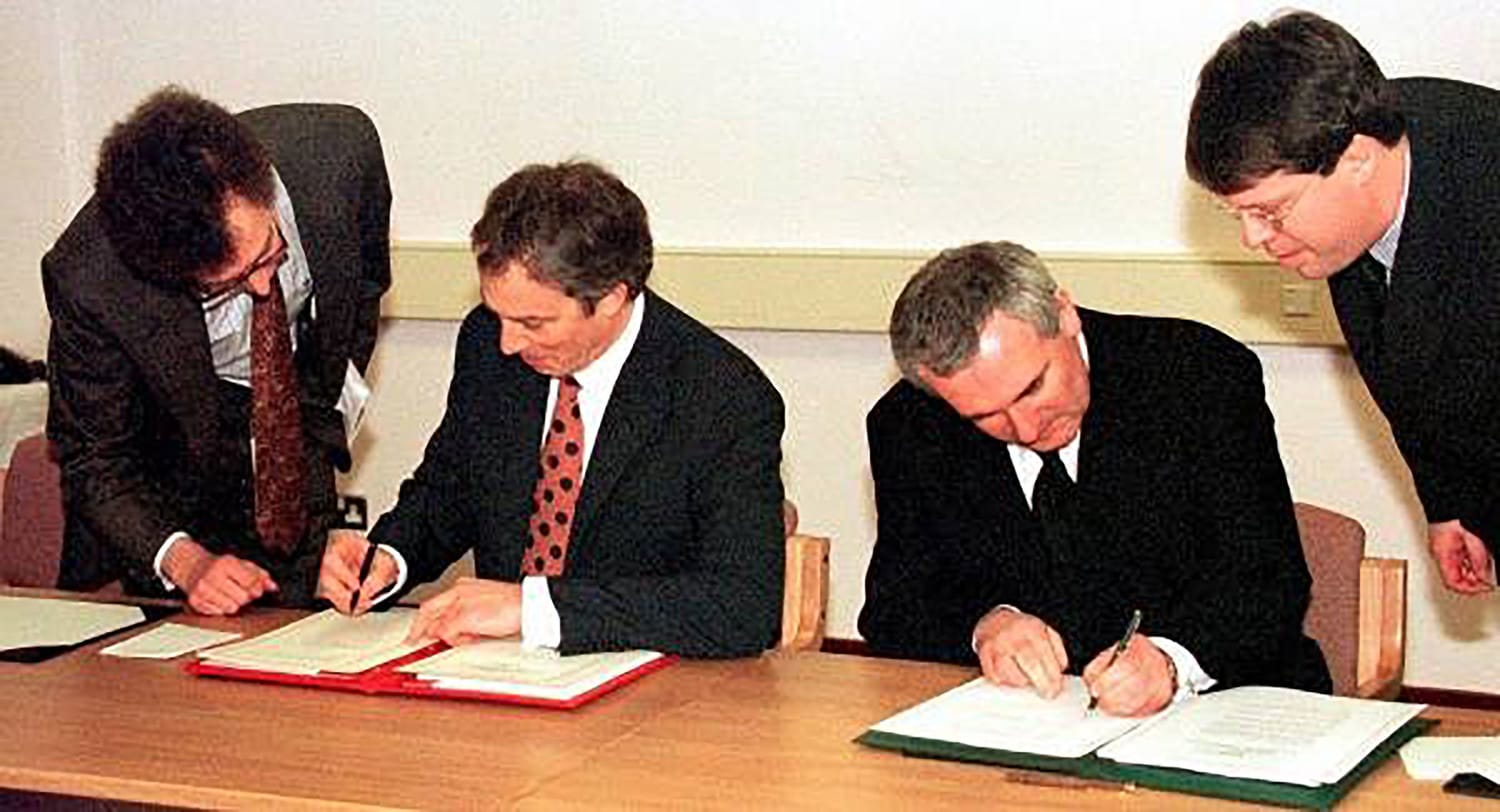
Taken in this context, the HRA’s introduction might be understood as part of this continued deference to European political institutions. On the other hand, Dixon suggests that it was at this same time that the ECtHR placed pressure on the UK to enshrine the convention into domestic law after “a series of adverse rulings against Britain”. The introduction of the HRA appears to satisfy three aims for the Blair government: first, the HRA is a constitutionally significant legacy that would bind courts, parliament and public institutions of the future. Second, the HRA signalled the UK’s willingness to integrate with European political institutions. Third, the act appeased the ECtHR itself, while also providing a political victory over a political predecessor, John Major. While in principle, the HRA is not an entirely modern idea, the impact of its introduction represented a tactical victory for a modernised Labour Party.
THE EARLY YEARS: CONTROVERSIES and CONSTITUTIONAL TENSIONS
The HRA’s controversial nature rests on three main factors, which while closely interrelated, will be addressed separately.
Widening Admissibility
The HRA gives rise to causes of action previously inadmissible. In England and Wales, from 2nd of October 2000, human rights could form the “sole basis of a challenge” rather than requiring a previously existing ground to be included in a claim; this remains the case today. The grounds and frequency of challenges using the HRA have increased, and as some see it, so has the ability for individuals to frustrate government policy.
Writing in 2011, Lord Dyson suggested that under the HRA, judges have taken on cases with political dimensions that they would have previously refused to rule on. While the HRA undoubtedly expanded the grounds available to challenge government policy, Dyson concedes that the “enlargement of the role of the judge is no more than the development of a trend” visible since before the HRA’s introduction.
The HRA can be viewed as enabling a broader trend to continue nationally, while aiding the ECtHR’s caseload internationally. Thus, in mitigating a Strasbourg problem, the HRA intensified a national one.
The HRA has had a “profound effect on the nature and amount of litigation” between citizen and state. This was anticipated shortly before the HRA was approved in 1998, its implementation being delayed until 2000 consequentially. Both quantity and scope of cases increased when the HRA came into effect, as observed by Shah and Poole. Cases of a “human rights, rights related and refugee” nature occupied 42% of the House of Lords’ caseload (later, Supreme Court) in the first decade of the HRA’s introduction; this is compared with only 17% beforehand. Lord Dyson’s view that this was a development of a trend is supported by Shah and Poole’s findings.
Prior to the HRA’s introduction, it was required that all domestic mechanisms for challenging a decision must be exhausted before a case could be brought to the ECtHR in Strasbourg. After the HRA came into force in 2000, selected parts of the ECHR became directly enforceable in UK courts, greatly expanding the avenues by which individuals could bring challenges based on convention rights. Both quantity and scope were expanded by its presence.
Woodhouse observed that in the year the HRA took effect, R v Secretary of State for Trade & Industry ex parte Thomson Holidays [2000] U.K.C.I.R. 189 saw the first judicial review challenge, using HRA grounds, in the area of competition law. Dyson criticises expansions of judicial discretion under the HRA, for example in privacy-related decisions affecting newspapers and their “age old freedom to expose moral shortcoming of those in high places”.
The above examples all engage important issues in the public interest. The HRA offered new grounds to bring such issues before the courts and gave judges the tools to make departures from convention when deciding their outcomes. While desirable for the ECtHR’s caseload and part of an existing trend, the HRA’s introduction of new admissibility criteria gave the judiciary considerably more power at a national level, deciding issues previously reserved for government.
Without some oversight by Parliament, the HRA presents a risk at a constitutional level. Pinto-Duchinsky suggested that “fundamental changes to a country’s constitution should not be introduced without proper public discussion, understanding and consent”. It is difficult to argue that the HRA gained full public consent before assuming its present place as a constitutional statute, since its true impact has only been recognised in the two decades it has been in force.
Interpretive Obligations
As discussed, the HRA’s link to the New Labour government remains stark. Considering this, the HRA should be recognised as that which it is, an act of Parliament, subject to the political forces within parliament. If we accept the view of Dyson and Woodhouse, that the HRA allows judges to rule increasingly on political issues, then the obligations the act places on judges must be examined.
Section 3 of the HRA placed an interpretive obligation on the judiciary, public bodies and private bodies acting in a public capacity. This obligation was to interpret legislation governing their powers, and legislation broadly, in such a manner so as to achieve compliance with the ECHR as “far as is possible to do so”. Controversially, judges were “given the power and obligation” to interpret Parliament’s laws in a way that is consistent with the ECHR “even if by so doing they needed to stretch and alter the meaning of legislation”. Even Klug, a major proponent of the HRA, expresses concern that overused, powers begin to shift from “elected politicians who can be lobbied, to unelected judges who can’t”.
Prior to the HRA, the only interpretive obligation placed on judges was the rebuttable presumption, that parliament is “unlikely to have intended to interfere with or destroy [existing fundamental rights] and did not intend to dishonour international obligations, the ECHR included among those.” In this sense, the HRA’s introduction of wide-reaching interpretive obligations is unprecedented; it has led judges to reach “decisions, sometimes with regret and sometimes with enthusiasm, which would have astonished those who agreed to [Britain’s] accession to the Convention in 1950”. The intention behind the HRA is that existing primary legislation is brought into line with the ECHR; however, the conflict between these various rights leads to unpredictable outcomes. Perhaps chief among them is the decision to interfere with rights in the March 2020 “lockdown” (see sections IV and V).
The HRA falls shy of giving judges the ability to strike down legislation; instead, if a court finds a piece of primary legislation incompatible with the ECHR, section 4 allows a declaration of incompatibility. It is then the responsibility of Parliament to change the law to “bring it into line with the Convention, as interpreted by the courts”. By 2019 there had been 42 such declarations. A clear deference to the views of the judiciary has characterised Parliament’s response to these declarations, and arguably become convention. However, it is a matter of some concern that the conflict between rights and restrictions brought about by Covid did not result in any such declarations.
Amid the exigencies of the post 9/11 era, Jack Straw, responsible for overseeing the HRA’s implementation, Tony Blair, Prime Minister at its introduction and Gordon Brown, all expressed misgivings about the HRA’s functionality. In 2008, Justice Secretary Straw aired frustration over “judgments which have encouraged voters to conclude that the act is a villains' charter” yet blamed judges being “too nervous” when deporting terror suspects. Straw’s express intention at the time was to change a human rights culture into a culture of “human rights and responsibilities”, as stated in the foreword of the 2007 green paper The Governance of Britain.

Entrenchment
The third pillar of controversy surrounding the HRA is entrenchment. First, Thoburn v Sunderland City Council provided the basis for the HRA to be regarded as a “constitutional statute”, making it immune from all but express repeal by Parliament. Second, the political optics of repealing an act entitled “The Human Rights Act” is problematic for any government. Irrespective of the controversies of the Act’s function, repeal carries such significant political consequences as to amount to a form of entrenchment.
III. BREXIT IMPLICATIONS
THE LAST DECADE: GOVERNMENT REVIEWS OF THE HRA and THE EUROSCEPTIC PARADISE
In terms of pan-European projects, the political positioning of the UK after 2019 stands in stark contrast to that of 1998. The rise of Euroscepticism, and its material successes at the ballot box, may well be regarded as threats to The HRA’s legitimacy. The referendum on the UK’s membership of the European Union in 2016 is the chief material success, but equally the Conservative landslide election victory of December 2019, delivered on a similar mandate, and the success of ‘The Brexit Party’ in the 2019 European parliamentary elections, are worthy of note. There is a consistent thematic link between the rhetoric employed in all three: an appeal to the supremacy of the UK’s courts, most visibly diminished in R (Factortame Ltd) v Secretary of State for Transport. Pledges to end the jurisdiction of overseas courts were a key condition of these political victories; the ECtHR, and The HRA by association, have undoubtedly suffered in the wake of this.
Substantive pledges regarding Britain’s relationship with the ECtHR were not at the forefront of either the 2019 general election or the 2016 referendum; however, three successive general election campaigns (in 2015, 2017 and 2019) explicitly called into question the future of The HRA. These include manifesto pledges explicitly calling for its repeal and replacement or, most recently, contemplating it at a “future juncture”. All three campaigns were successful in forming governments on this mandate, yet no single review of The HRA has produced meaningful alteration to date.
These reviews included the Commission on a Bill of Rights (“COBOR”), which published its findings in December 2012. COBOR pointed to public discontent with the HRA, stating that “many people [were] feel[ing] alienated from a system that they regard[ed] as ‘European’ rather than British”, and treated this as a powerful argument for a new constitutional instrument.
Whatever COBOR’s motives, Brexit did occur, and the rhetoric involved proved both effective and persistent in the years after 2016’s referendum. In this regard, COBOR’s assessment that The HRA had failed to sufficiently present itself as “British” has been vindicated. The architects of the HRA made a concerted effort to present it as a uniquely British idea. In 1997, the role of Winston Churchill in the creation of the ECHR was stressed and “bringing rights home” given as the tagline of the white paper. However, during the second reading of the Bill in 1998, MP Jack Straw inadvertently revealed the HRA was anything but a uniquely British innovation:
…almost all states party to [The ECHR] have gradually incorporated it into their domestic law.
Along the lines of Tyrer, the HRA’s introduction merely brought the UK in line with “commonly accepted standards” seen in “member states of the Council of Europe”. Both the ECtHR and The HRA have suffered reputationally after Brexit and their role in the UK erroneously linked to “European instruments” such as the Court of Justice of the European Union. However, difficulties presenting the HRA as congruent with the UK’s interests have been present from day one, something made more difficult by fierce criticism of ECtHR and HRA from “the tabloid press and…from (the Conservative-minded part of) broadsheet press” since 2000.
THE BREXIT DIVORCE: HUMAN RIGHTS IMPLICATIONS OF THE TCA
The impact of the EU-UK Trade and Cooperation Agreement (“TCA”) is worth discussion for its human rights implications. The ECtHR is not mentioned explicitly, but Article COMPROV.4 commits the EU and UK to respect “international human rights agreements to which they are parties”. This falls short of giving specific importance to the ECtHR, yet it suggests that a significant downgrading of the UK’s international human rights commitments could carry trade and political consequences. At the same time, Article INST.35 limits the notion of breach to an “exceptional sort” that threatens peace and security or has international repercussions. The result is uncertainty: the TCA does not rule out reform of the HRA or even withdrawal from the ECHR, but it raises the costs and risks of doing so.
RESIDUAL EU LAW AND THE HUMAN RIGHTS ACT
Another area where the HRA may find new purpose is in the interpretation of retained EU law after Brexit. Higher UK courts are not bound by EU case law, but may have regard to it for the purposes of understanding retained rules prior to domestic modification. For present purposes, what matters is that direct EU legislation, alongside law implemented by directive, is to be treated as primary legislation for the purposes of the HRA.
This means that UK courts may review retained EU law through an ECHR lens, including the ability to issue declarations of incompatibility under section 4. The UK therefore becomes a forum capable of applying Convention principles to a body of EU rules at a time when the EU itself was unable to agree accession to the ECHR. In December 2014, after lengthy negotiations, the Court of Justice of the European Union ruled that a draft accession agreement was incompatible with EU law. How UK judges will exercise the power to integrate the law of two international courts, without those courts’ input and unbound by precedent, remains a major question.
A historical parallel can be drawn between the UK’s current position and its situation in the 16th century. Following England’s break with the Roman Catholic Church and the Papacy in the 1530s,” a similar problem arose regarding the integration of the Papacy’s canon law. Richard Moryson said the lawyer must act like an “English tailor” who had made an “English gown” of Italian velvet in relation to Roman Cannon law. These words have current relevance to the UK Supreme Court’s role. What is more, if Dyson and Woodhouse’s assertion that judges have become expressly political in the years following the HRA’s introduction, one must ask what kind of ‘tailors’ the UK’s higher courts will be. (Source: Richard Moryson quotation (see: Michael Reiners, The Critic, 2024))
IV. COVID AND THE HRA
The HRA has played no little part in the way the UK’s response to the novel coronavirus, Covid-19 (“Covid”), has unfolded. The discussion of compatibility focuses on the Health Protection (Coronavirus, Restrictions) (England) Regulations 2020 enacted on 26 March 2020 (“the March Regulations”) and the Coronavirus Act 2020, which came into force on the same day.
THE HRA AS A JUSTIFICATION FOR “LOCKDOWN”
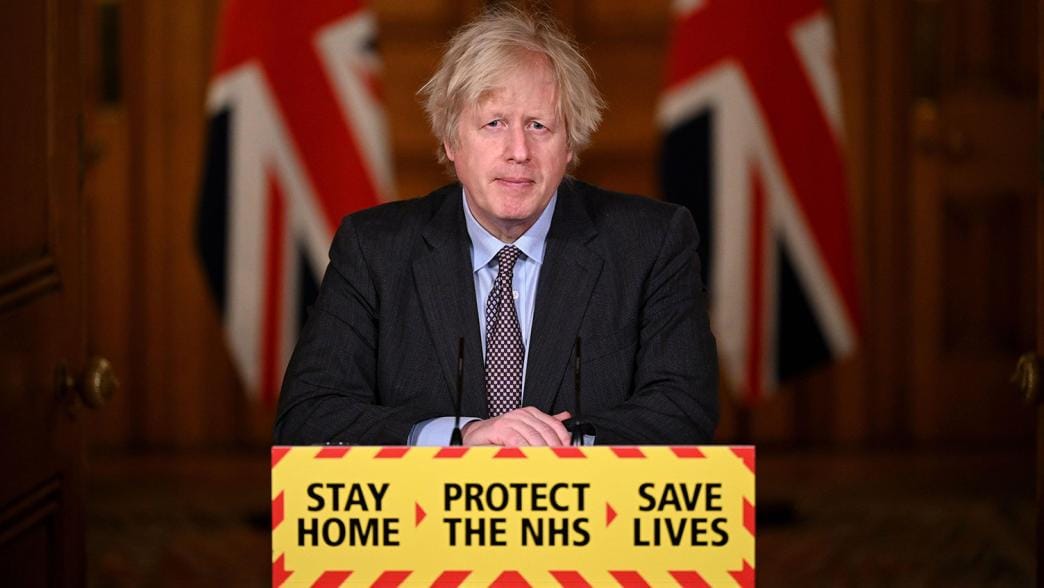
On 23 March 2020 the Prime Minister announced that the United Kingdom was being placed in what would become known as “lockdown”. The strongest human rights justification for this curtailing of ordinary activity was the government’s duty under Article 2 ECHR, enshrined in the HRA, namely the right to life. In written evidence given to Parliament, Merris Amos set out that the government’s responsibilities under Article 2 ECHR are tripartite, including a positive duty to prevent life being taken. In the face of newly identified Covid-19, it is this duty which provided the justification for curtailing qualified rights. Whether Covid presented a threat to life is generally not in dispute; the dispute is squarely over proportionality, and, the procedure by which restrictions were enacted and enforced.
TO DEROGATE OR NOT TO DEROGATE?
In order to introduce “lockdown”, several options were available to the UK government. One method of interference with human rights is through derogation under Article 15 ECHR, yet this option was not chosen. The UK’s only previous attempt to derogate was struck down in A v United Kingdom for failing to meet the Article 15 test.
The consensus on derogation was split. Greene argued that derogations should have taken place to allow the Coronavirus Act’s safe implementation; others took the contrary view, pointing to public interest exceptions that allow the state to interfere with qualified rights in an emergency. Greene’s warning is forceful:
The argument that everything can and should be accommodated through the proportionality test reduces Article 15 to a dead-letter, and, in so doing, eradicates its quarantining effect and potentially increases the possibility of exceptional powers becoming normalised. (Source: Alan Greene, briefing on Article 15 ECHR and COVID-19 (University of Birmingham, July 2020))
In essence, without derogation, expansive measures risk becoming normalised. Without derogation, the primary means of testing lockdown measures’ compatibility with the HRA is in UK higher courts, yet no legal challenge produced a declaration of incompatibility under section 4.
METHODS OF SUSPENDING RIGHTS
The HRA requires the compatibility of both primary and secondary legislation must be assured before such legislation is passed. In the instance of legislation in response to the outbreak of Covid in the UK, that means justifying interference with rights within the HRA. Lord Reed in his judgement in AXA suggested that for such an interference with qualified rights to be justified, the interference must be carried out by law; that law must be:
…[in pursuit of a] legitimate aim by means that are reasonably proportionate to the aim sought to be achieved…[and must strike a] fair balance…between the demands of the general interest of the community and the requirements of the protection of the individual’s fundamental rights.
The proportionality principle, and the search for a “fair balance”, runs through Convention jurisprudence. Public perception is often clouded by the myth that human rights are available “on demand”. In reality, “human rights involve complex calculations” and the balancing of rights against one another. The ECtHR stated in Soering:
…inherent in the whole of the convention is a search for a fair balance between the demands of the general interest of the community and the requirements of the protection of the individual’s fundamental rights. (Emphasis added) (Source: Soering v United Kingdom (1989), para 89 (ECtHR))
Yet, it is not only the demands of the general interests of the community which would justify interferences with Articles 2, 3, 5, 8, 13 and 14. The article 2 rights of the population are privileged over the certainties of normal life protected by the above articles; it is under this understanding that the UK government has operated.
Given that the nature of the threat to Article 2 rights is a medical one, the ECtHR judgement in Shelley is also relevant:
Matters of health care policy, in particular as regards general preventative measures, are in principle within the margin of appreciation of the domestic authorities which are best placed to assess priorities, use of resources and social needs. (emphasis added).
For our purposes Shelley leaves the legal intricacies of implementing lockdown measures to the discretion of the government, while AXA sets out the requirement that measures are both by legal means and proportionate to the threat posed by Covid.
V. ANALYSIS OF “LOCKDOWN” LAWS
THE MARCH REGULATIONS
At the point of their enactment, the laws bringing lockdown into effect were deemed compatible with the HRA. However, it should be noted that an act’s compatibility at enactment does not preclude ECHR violations in its enforcement. I will first examine The March Regulations; approved by Secretary of State Matt Hancock under powers provided by the Public Health (Control of Disease) Act 1984 (“The 1984 Act”).
The wording of the March Regulations appears conscious of catering to the exceptions which allow ECHR rights to be qualified under the HRA. The preamble stated:
These Regulations are made in response to the serious and imminent threat to public health which is posed by…[SARS-CoV-2] in England.
This wording pre-empts judicial review challenges on a number of human rights’ grounds. In such an instance, the relevant exceptions include Articles 8(2), 9(2), 10(2) and 11(2); these allow interferences with rights for the protection of “health and morals”, or, in pursuit of the protection of the Article 2 rights of others. Article 5 (1)(e) allows for the deprivation of liberty to prevent “the spreading of infectious disease”. The March Regulations’ preamble could be used to argue justification on any one of these grounds.
Furthermore, the use of the phrase “serious and imminent threat to public health” satisfies a requirement of The 1984 Act itself which requires one is present for a Secretary of State to exercise such powers. In 2008, Parliament’s Joint Committee on Human Rights (“JCHR”) expressed concerns over the compatibility of the 1984 act with the HRA on the basis some of the powers in the act did not require a threat to be serious or imminent; it appears the Secretary of State was conscious of this.
METHODS OF IMPLEMENTATION
Despite this caution, The March Regulations have not gone without challenge. Emmet Coldrick makes a strong case that the method by which the initial regulations were passed was a procedural ultra vires, and contrasts the use of the Public Health (Control of Disease) Act 1984 with the Civil Contingencies Act 2004, which contains more stringent parliamentary scrutiny. In Dolan, the Secretary of State suggested that “…it would be absurd if the provisions were to be read [as ultra vires] given the nature of the public health threat…”, a concerning line of reasoning which Coldrick describes as the “antithesis of the rule of law”. Dworkin’s formulation captures the point. (Source: Emmet Coldrick, 'Were the March 2020 lockdown restrictions lawfully imposed?' (UK Human Rights Blog, 2020))
The rule of law requires that state coercion shall always be backed by law…no matter how useful that would be to the ends in view, no matter how beneficial those ends. (Emphasis added). (Source: Ronald Dworkin, Law’s Empire (1986) p 93 (quoted in NZLC SP10 (2001)))
Lord Norton warned that where rights enjoy constitutional entrenchment, Parliament may be reduced to a safety valve for popular feeling rather than an institution capable of affecting outcomes. In the March Regulations, an entrenched right provided the justification for interference with other rights: the protection of life under Article 2, via the HRA. The effect was that sweeping interferences with qualified rights could be achieved through secondary legislation with limited parliamentary scrutiny.
THE CORONAVIRUS ACT
The second piece of legislation I will consider is The Coronavirus Act, which with the exception of the ultra vires issue, faces similar problems regarding scrutiny.
During the House of Lords’ reading of the Act, Lord Bethell pointed out that “this Bill is already required to be compliant with the Human Rights Act”. Yet the ability of Parliament to scrutinise this claim was hampered by urgency and restrictions upon parliamentary sitting. Former government chief legal advisor Jonathan Jones QC criticised the lack of scrutiny, and between March and September 2020 the law governing lockdown was changed more than 60 times by statutory instrument. Review mechanisms existed, but only on a six-month cycle.
In September 2020, the JCHR stated there was “no realistic way to challenge” Fixed Penalty Notices issued under the Coronavirus Act. The difficulty of challenging penalties in practice raises a wider question about whether the HRA offered effective access to remedies during the emergency.

TESTING RESTRICTIONS ON LIBERTY
Perhaps the most obvious interference with HRA rights by lockdown measures was the restriction on movement from one’s home in March 2020. This raised the question whether the restrictions constituted a deprivation of liberty within Article 5. Article 5 pertains to deprivation rather than restriction of liberty, and the concept has been interpreted narrowly. Courts emphasise the “concrete or actual situation of the individual”, and the context in which measures are taken.
ASSESSING THE MARCH REGULATIONS: “CONCRETE SITUATION OF THE INDIVIDUAL”
Regulation 6 of the March Regulations prevented people from leaving home without a “reasonable excuse”. A non-exhaustive list of reasonable excuses was provided, but examples of what does not constitute a reasonable excuse were not contained in law. The existence of a list of reasons permissible for leaving home may have brought the Regulations short of the Article 5 threshold, but the limits of control hinged on police interpreting “reasonable excuse” ad hoc.
The Case of Marie Dinou: Detention Without Excuse
In the case of Marie Dinou, a magistrates court convicted her under the Coronavirus Act in circumstances that Matthew Scott described as a “non-existent offence”, and the judgment was later reversed. The episode illustrates the risks that arise when vague emergency rules are applied by public officials. As Lord Bingham stated in Gillan:
The exercise of power by public officials, as it affects members of the public, must be governed by clear and publicly-accessible rules of law. The public must not be vulnerable to interference by public officials acting on any personal whim. (Emphasis added). (Source: R (Gillan) v Commissioner of Police of the Metropolis [2006] UKHL 12, para 34)
Dolan Case: Article 5 and “Factual Inquiry”
In Dolan, the Court of Appeal rejected the argument that the March Regulations created a deprivation of liberty under Article 5. The passage most useful in evaluating the meaning of “reasonable excuse” is paragraph 104, where the Court said:
…the phrase “reasonable excuse” is not materially different from the phrase “lawful excuse”, which is used in section 137 of the Highways Act 1980 and which was construed by the Divisional Court in DPP v Ziegler [2019] EWHC 71 (Admin); [2020] QB 253 as being capable in principle of embracing the exercise of Convention rights …depending on the particular facts..
The Court’s approach makes compatibility heavily dependent on a “fact-specific inquiry”. The ECtHR similarly emphasised the specific impact and experience of lockdown in Terheş v Romania. The result is that broad challenges to the architecture of emergency restrictions are difficult to mount, and much turns on enforcement practice.
Francis Hoar and the Lockdown Challenge
The first serious attempt to test the legality of the March 2020 “lockdown” regulations in the courts was the judicial review brought by Simon Dolan. The public law team included Philip Havers KC and Francis Hoar, who became one of the most prominent lawyer-critics of the restrictions, arguing that the “stay at home” rule went beyond what Parliament had authorised under the Public Health (Control of Disease) Act 1984 and that measures of such breadth and severity required clearer legislative footing and proper constitutional process.
At first instance, the challenge was refused permission by the Administrative Court in R (Dolan) v Secretary of State for Health and Social Care [2020] EWHC 1786 (Admin) (Lewis J, 6 July 2020), on the basis that the core grounds were unarguable. The judgment treated the regulations as falling within the Secretary of State’s broad statutory powers, and was slow to treat the Article 5 case as engaged by the scheme as a whole. (Source: R (Dolan) v Secretary of State for Health and Social Care [2020] EWHC 1786 (Admin))
On appeal, the Court of Appeal dismissed the challenge in R (Dolan) v Secretary of State for Health and Social Care[2020] EWCA Civ 1605 (1 December 2020). The Court accepted that the vires issues were justiciable, but held that the March Regulations were within the scope of the 1984 Act as amended. As to Convention rights, it emphasised the built-in qualifications of Articles 8–11 in the interests of public health, and (as discussed above) rejected the argument that the scheme amounted to a general deprivation of liberty under Article 5, stressing the importance of context and the individual’s factual experience. (Source: R (Dolan) v Secretary of State for Health and Social Care [2020] EWCA Civ 1605)
Hoar’s opposition was not limited to litigation. He also gave written evidence to Parliament during its scrutiny of the constitutional implications of Covid governance, including to the House of Lords Constitution Committee, where he pressed concerns about legal basis, parliamentary control, and the normalisation of executive rule-making by regulation. See Francis Hoar – written evidence (CIC0451). (Source: Francis Hoar – written evidence (CIC0451), House of Lords Constitution Committee)
Hoar discusses his views on the matter here:
IN ENFORCEMENT: ARE HRA RIGHTS ACCESSIBLE?
If fact-specific inquiry is the only way to test restrictions, there must be a realistic route for individuals to challenge penalties and enforcement decisions. Yet concerns persisted that penalties were difficult to contest in practice, and that police interpretations sometimes went beyond what was “reasonable”. Where enforcement is both discretionary and hard to challenge, the HRA’s promise of accessible rights protection is weakened.
VAGUE WORDS and FACTS
One reading of The March Regulations and subsequent Coronavirus Act is that these rights were contingent on a vague phrase, whereby rights could only be exercised if one was provided with “reasonable excuse”. It was at the discretion of police whether a person exercising an HRA right constituted one. The words of Lord Hoffman in Simms, set out the principle against vague words:
Fundamental rights cannot be overridden by general or ambiguous words. This is because there is too great a risk that the full implications of their unqualified meaning may have passed unnoticed in the democratic process. (Emphasis Added). (Source: R v Secretary of State for the Home Department, ex p Simms [1999] UKHL 33 (HL, 8 July 1999))
This principle was confirmed in Anufrijeva and endorsed in AXA, where further clarity was given on delegated legislation:
The principle of legality means not only that Parliament cannot itself override fundamental rights or the rule of law by general or ambiguous words, but also that it cannot confer on another body, by general or ambiguous words, the power to do so.
Even where the courts uphold emergency measures, frequent revision of regulations can make meaningful judicial review difficult. As Simon Dolan put it:
“Provided that [the government] change the regulations every time they are challenged, they can keep avoiding the very mechanism – Judicial Review.”
VI. CONCLUSION
The ECtHR has experienced an expansion of its functions since 1953. It began life as a 12-nation inter-state court, yet today takes individual petitions from a jurisdiction of over 820 million people. The adverse rulings against the UK on prisoners’ voting suggest its wisdom on the intricacies of national feeling within its jurisdiction are finite. By its own admission, the caseload of the ECtHR has outpaced the court’s capacity, and in 2011 found it may “take 46 years” to address its backlog. The court’s commitment to “subsidiarity”, restated in 2012’s Brighton Declaration, is the logical conclusion to this. The HRA can thus be seen as a solution to the ECtHR’s jurisdiction enlarging beyond its competence.
Addressing this issue through subsidiarity has given rise to issues at a national level. Rights-focused cases have become more common and an existing trend of judges ruling on political issues in the UK has been hastened. A rights culture has also developed in the wake of the HRA, and the act has also gained a reputation as a “villains’ charter”.
A feature of this rights culture is the public belief that HRA rights are available to them “on demand”; a misplaced view. It is the HRA’s performance during “lockdown” that challenged this perception. A 2011 poll found 75% of UK adults felt the HRA was applied “too widely to create rights that it was never intended to protect”. By March 2021, after 12 months of state interferences with ordinary life, 59% of UK adults felt “human rights protections should be considered permanent and politicians should not be able to reduce them”. Between these two polls we can discern one thing: HRA rights felt all too available when not desired, yet unavailable when most needed.
Public feeling was not misplaced in this regard. It was the government’s positive duty to preserve life under Article 2 which justified the interference with other HRA rights in the UK lockdown. Justice Secretary Robert Buckland conceded that police and prosecutors had gone beyond what many would consider “reasonable”, and yet, Dolan suggests that the HRA was satisfied with these interferences. With no derogation under Article 15, interferences with rights proved compatible, enforceable and concerningly normalised.
With regards to Brexit, the HRA may have once satiated the European-looking ambitions of Tony Blair’s New Labour government, but did so without the requisite public “consent and consultation” required of a pseudo-constitutional document. The goodwill towards European political institutions that characterised the act’s introduction has diminished since 1998, something evidenced in the UK’s sustained political commitment to Brexit. Once again the HRA has undergone independent review, the findings of which were published in December 2021; these mention the EU eleven times and Covid only twice in over 500 pages. However, the UK’s ability to address the act is limited. The TCA may jeopardise trade if our relationship with the ECtHR is renegotiated; Thoburn entrenches the HRA itself and poor optics dissuades approval-wary governments from substantial reform.
It is now the Government’s duty to more suitably fit the HRA to the nation; in the words of Moryson, to act like an “English tailor” who had made an “English gown” of European human rights law. If it is to do so, both substantive change to the duties the HRA places on the state and withdrawal from the ECtHR’s jurisdiction must remain on the table.
Appendix – Sources and further reading (linked)
Shah & Poole, “The Impact of the Human Rights Act on the House of Lords” (LSE Working Paper, 2009)
JCHR, “The Government response to covid-19: fixed penalty notices” (27 Apr 2021, PDF)
Jonathan Jones, criticism of Covid law-making and scrutiny (Guardian, 18 Feb 2021)
Richard Moryson quote on the ‘English tailor’ (see: Michael Reiners, The Critic, 14 Sept 2024)
CJEU Opinion 2/13 on EU accession to the ECHR (EUR-Lex)
BIBLIOGRAPHY
Table of Cases (United Kingdom)
Thoburn v Sunderland City Council [2002] EWHC 195 (Admin).
R (Factortame Ltd) v Secretary of State for Transport (No 2) [1990] UKHL 7; [1991] 1 AC 603.
R v Secretary of State for the Home Department, ex p Simms [1999] UKHL 33; [2000] 2 AC 115.
R (Gillan) v Commissioner of Police of the Metropolis [2006] UKHL 12.
AXA General Insurance Ltd v Lord Advocate [2011] UKSC 46.
Director of Public Prosecutions v Ziegler [2021] UKSC 23.
Director of Public Prosecutions v Ziegler [2019] EWHC 71 (Admin).
R (Anufrijeva) v Southwark London Borough Council [2003] UKHL 36.
R (Dolan) v Secretary of State for Health and Social Care [2020] EWHC 1786 (Admin).
R (Dolan) v Secretary of State for Health and Social Care [2020] EWCA Civ 1605.
Table of Cases (European Court of Human Rights)
Tyrer v United Kingdom (App no 5856/72) (1978) 2 EHRR 1.
Soering v United Kingdom (App no 14038/88) (1989) 11 EHRR 439.
A and Others v United Kingdom [GC] (App no 3455/05) ECHR 2009.
Shelley v United Kingdom (dec), App no 23800/06, 4 January 2008.
Terheş v Romania (dec), App no 49933/20, 20 May 2021.
Table of Legislation (United Kingdom)
Public Health (Control of Disease) Act 1984.
Health Protection (Coronavirus, Restrictions) (England) Regulations 2020 (SI 2020/350).
Treaties, Declarations and International Materials
European Court of Human Rights, Brighton Declaration (April 2012).
Court of Justice of the European Union, Opinion 2/13 (EU accession to the ECHR) EU:C:2014:2454.
Parliamentary and Government Materials
HC Deb 16 February 1998, vol 306, cols 765–866 (Human Rights Bill, Second Reading).
HL Deb 25 March 2020 (Coronavirus Bill).
HC Deb 6 December 1990 (European Community (Developments)).
Home Office, Rights Brought Home: The Human Rights Bill (Cm 3782, 1997).
Commission on a Bill of Rights, A UK Bill of Rights? The Choice before Us (2012).
Merris Amos, Written evidence to Parliament, COV0220 (23 April 2020).
Francis Hoar, Written evidence to the House of Lords Constitution Committee, CIC0451.
Secondary Literature and Commentary
Lord Dyson, “What is wrong with human rights?” (Hertfordshire University, 3 November 2011).
Michael Reiners, “Amicus curAI?” (The Critic, 14 September 2024).