The NHS: A Sacred Cow Which Must Be Slain
Angantyr recounts an experience with Britain's health service – one of many such horror stories which are increasingly commonplace. The NHS could buy an aircraft carrier every 2.5 weeks, or, build the Three Gorges Dam every 11. It costs the taxpayer more than the Apollo program annually.

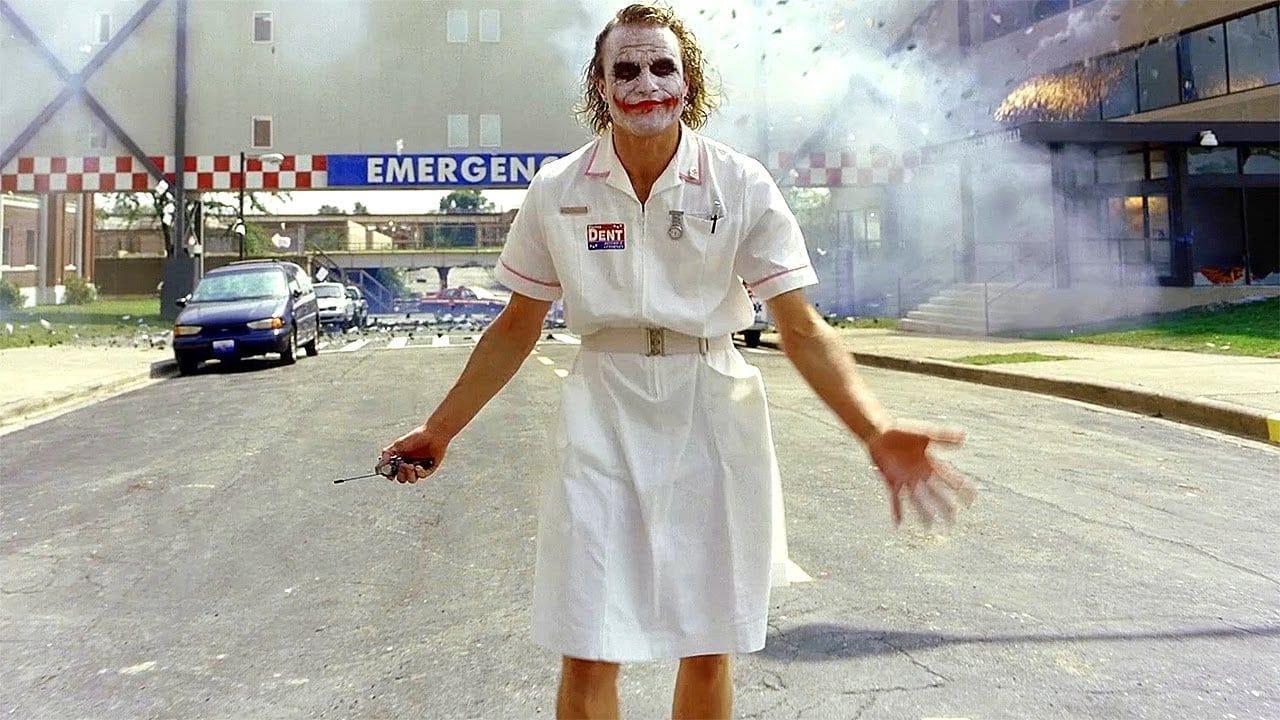
In the summer of 2023, my girlfriend was diagnosed with appendicitis. For the next two and a half months she was at the mercy of the National Health Service. These are my thoughts on Britain's sacred cow.
After waiting for an ambulance that never arrived, we went to urgent treatment which was fortunately just down the road. We waited just over ten hours until the doctor finally appeared. She was a portly woman with a chubby face that perhaps would've been pleasantly comforting if it wasn't so unserious. She looked my girlfriend up and down, who was curled up on the seat of a wheelchair crying into her knees and sweating profusely. I did most of the talking as she wasn't able to speak and explained it was her stomach and that she was completely incapacitated. The doctor nodded along and then told her to get up. She shook her head, and I reiterated that she was unable to move. The doctor then grabbed her arms and began tugging at her, telling her to be a 'big girl'.
Anything I said was now inaudible to this doctor as she'd seemingly already made her mind up that my girlfriend was, in fact, able to freely stand. Moaning, almost screaming into her arms she struggled to her feet, and we went to the treatment room. There, after a brief conversation that didn't include taking any blood, my girlfriend was misdiagnosed a viral stomach infection and sent away with a prescription for Buscopan. On the way out, the doctor said, 'prove me right and don't come back!'. I had suggested appendicitis to her, but she dismissed the idea.
Two days later and we find ourselves in hospital with a 'likely burst' appendix diagnosed. She was placed at the top of the surgical priority list around 5am and I went home to sleep. When I came back the surgery, which was meant to be done before midday that day, hadn't happened. I wish I could tell you why. She went through pre-op, signed the forms. And then the hour came and passed. And thus began two and a half months of hell for my girlfriend. I was there almost every day. It was a third world experience. Ward staff sitting around doing nothing while I repeatedly remind them that she asked for a towel, asked about her painkillers, asked for water. Her buzzer would ring for half an hour before one of the NHS' indispensable Windrush workers would decide to get up from her computer and see her.
The scope of this article cannot accommodate a description of this experience any more detailed than this. Every day something worse. Every individual less caring than the last. I once mentioned her experience on X, to which somebody replied with the average lifetime of someone with acute appendicitis, about 48 hours, and asked me why I would lie about something like that. I wish I was.
The NHS' Broad Trend of Decline
My experience is not an isolated one. Britain's pride and joy, our greatest post-war achievement, our sacred cow, is a joke abroad. 'Come back in 36 months' reads a popular meme comparing US, Canadian, and British healthcare. In Britain, everybody knows someone who's life will never be the same because they had the misfortune of being treated by the NHS. In typical British fashion however, we choose to ignore it. To everyone, they are isolated incidents. But what do you call an anomaly that is common? In recent news, 25 year old boxer Georgia O'Connor died of cancer. In a Facebook post, O'Connor confirms she has cancer. Then,
'…it's time to expose the absolute incompetent RATS that have allowed this to happen.'.
'For 17 weeks since the start of October, I've been in constant pain, going back and forth between Durham and Newcastle RVI A&E knowing deep down something was seriously wrong. I said from the start I felt it was cancer. I KNEW the risks. I have colitis and PSC, two diseases that dramatically increase the chances of getting it. I KNOW how high my risk is and they do too. They always did.'
She goes on to say nobody listened to her.
'Not one doctor took me seriously.'. If it was caught earlier, she wonders if she might have stood a better chance. I feel terrible reading her post because it was exactly how I felt seeing doctor after doctor, staff after staff, not necessarily being malicious but simply not caring. Impatient, dismissive, they didn't want to hear any suggestions. They'd already made their mind up. 'Prove me right and don't come back'.
In any other circumstance, my girlfriend would have died within 48 hours. Why? Because nobody cared. Georgia O'Connor, dead at 25 from cancer because nobody cared enough to listen to her. A health service that doesn't want to treat you, that is the reality of the NHS.
The NHS' eye watering cost to the taxpayer
Britain's sacred cow is of course infallible. Criticism is treated like blasphemy whilst its holy icons are plastered everywhere, and we're encouraged to engage in rituals to appease it. All of its faults are chalked up to a lack of funding. Every election, prospective PMs must assert their vows to 'fund the NHS'. Currently, the NHS has a budget of ~£242 billion, just over 10.9% of our GDP. This is, according to the average voter and the British pundit class, underfunded.

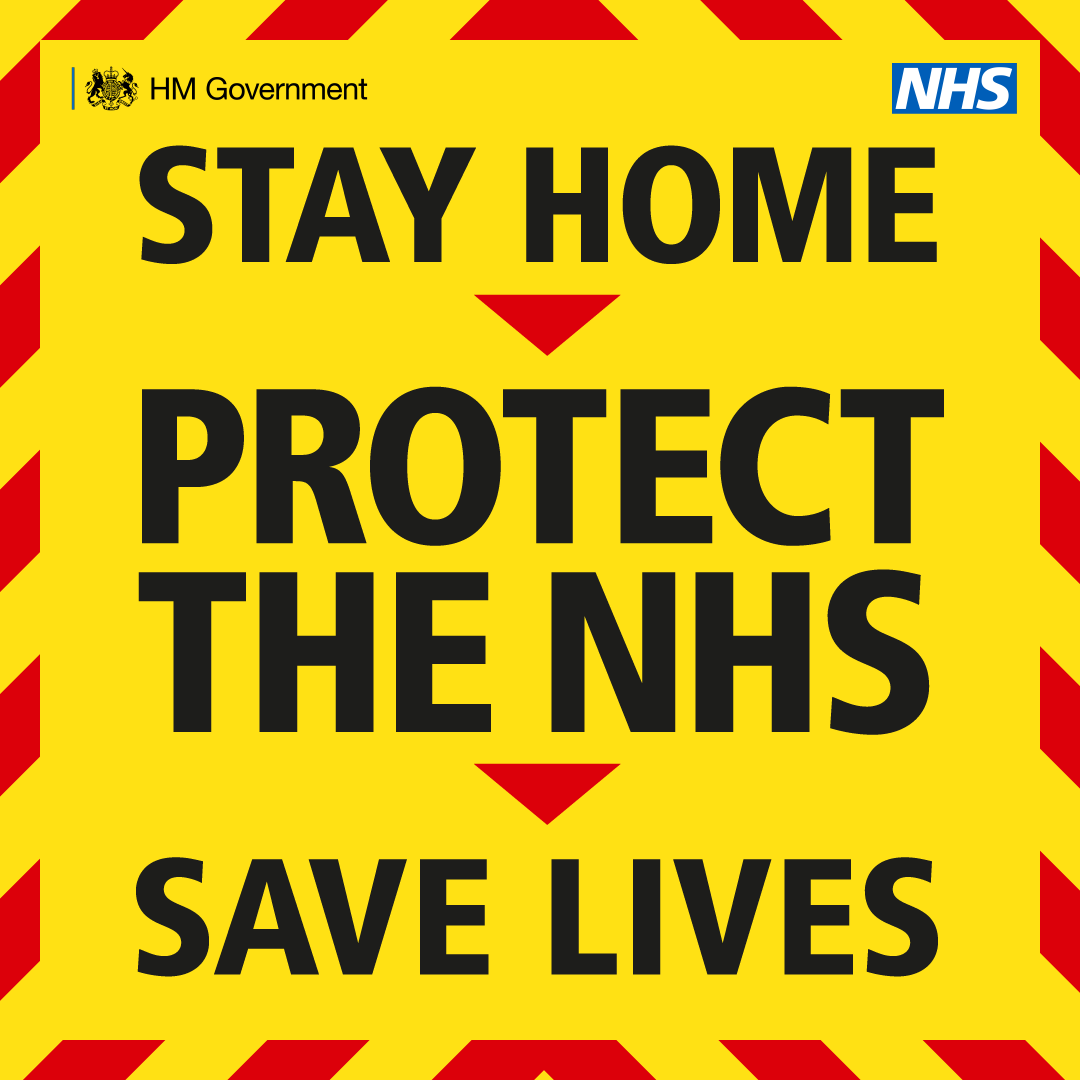
Left: Shrine to the National Health Service, Lincoln Cathederal, 2023. Right: The "Lockdown" messaging from Britain's 2020 national house arrest, brought in by The Health Protection (Coronavirus, Restrictions) (England) Regulations 2020 (SI 2020/350). Protection of the NHS as an entity was privileged above that of the public.
Every 11 weeks we spend the equivalent of building China's Three Gorges Dam on our health service. It's worth Russia's defence budget every 150 days. In just over a year, the entire Apollo program (which ran for over a decade, and put men on the moon) is spent on the NHS (@DaysofNHS on X). It is underfunded.

My uncle had a chronic, life-threatening heart complication when he was young. He tells me that he still remembers being picked up by the ambulance (semi-often given his condition), how efficient it was. Everybody cared. At least in his time, he says, it was fantastic. I don't doubt that at all.

Every government service, with its infinite cash flow and limitless talent, starts off good. But inexorable decline comes for every public service that is insulated from the accountability of market dynamics, and nobody is more aware of this than NHS executives themselves. There is a silent revolt occurring within its ranks. Managers have been stripped of any ability to actually change things. They languish in a system they know is dysfunctional but are powerless to change and so are leaving in droves. On the ground level, insane government policy makes things worse. Medical school spots for home students are capped at 7,500 in England (9,500 across the UK) and any schools that exceed this limit risk fines or defunding. This limit doesn't apply to international students, so 63% of all new GMC registrants in 2022 were from overseas. 56% of GP trainees are now international medical graduates. Between 2010 and 2021, 348,000 UK-based applicants were refused a place on a nursing course. The NHS continues to grow but marginal returns have been negative. Our sacred cow is already dead.
Any centrism I had on this matter left in the summer of 2023. What is a good healthcare system? I don't know. What I do know is that the NHS is a third-world rotten nightmare that would rather you die and never bother it again than do its job. The more money we spend on it the worse it gets. Everybody knows this, whether they tell you or not, but the sacred cow must not be disrespected. I say incinerate its putrid corpse. I say scatter it to the wind. I say obliterate this millstone around our neck free ourselves from this economic slavery. Free treatment for the proletariat masses has made us all equal. Equal in misery. Our sacred cow is already dead; that means we can move on.
We must move on.
Further illustration of NHS costs, courtesy of 'Days of NHS Spending':