
What is Reiners.org.uk

Reiners.org.uk is the primary online publication of Michael Reiners (full name: Michael C R Reiners), MA (Cantab), LL.M. He is an English lawyer and writer, and the author and editor of the site, which publishes essays, draft legislation and commentary on English constitutional law and the art and architectural landscape.
The purpose of this site is to act as:
1 First: an armoury of decisive diagnostic essays on England's issues – ranging from constitutional law to literature on English aesthetics. Many of these arguments are already won, now, the task is merely one of gathering those arguments in one place. Conventional news-rooms and publications are afraid of allowing their contributors to diagnose our problems. They are even less accustomed to proposing solutions – that does not mean it cannot be done.

2 Second: A vehicle for taking a solutions-based approach to Britain's myriad problems. Those solutions are legislative, technological & otherwise.
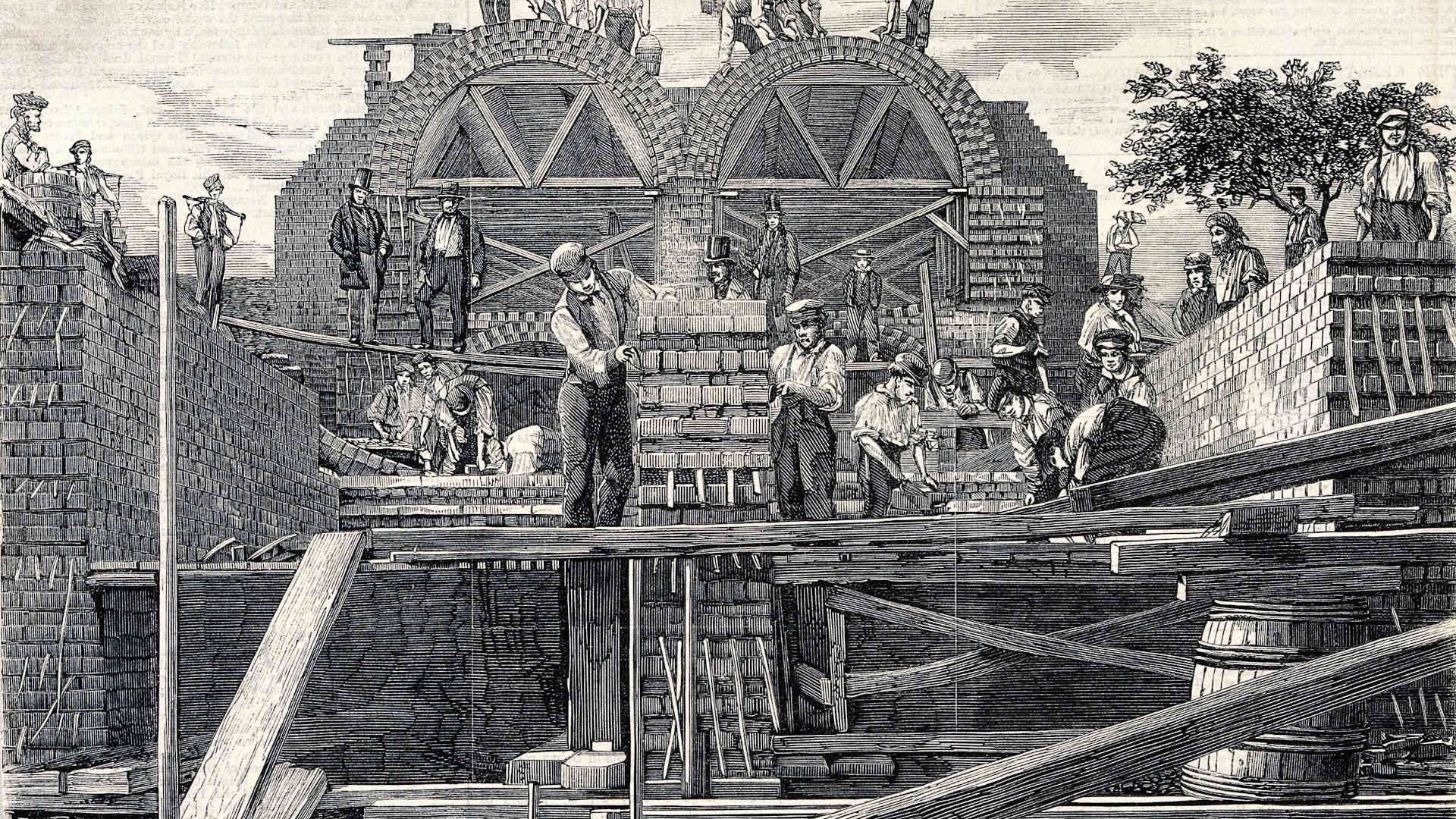
3 Third: A lighthouse, to gather the elite human capital required to provide those solutions, at a faster pace than conventional think tanks.
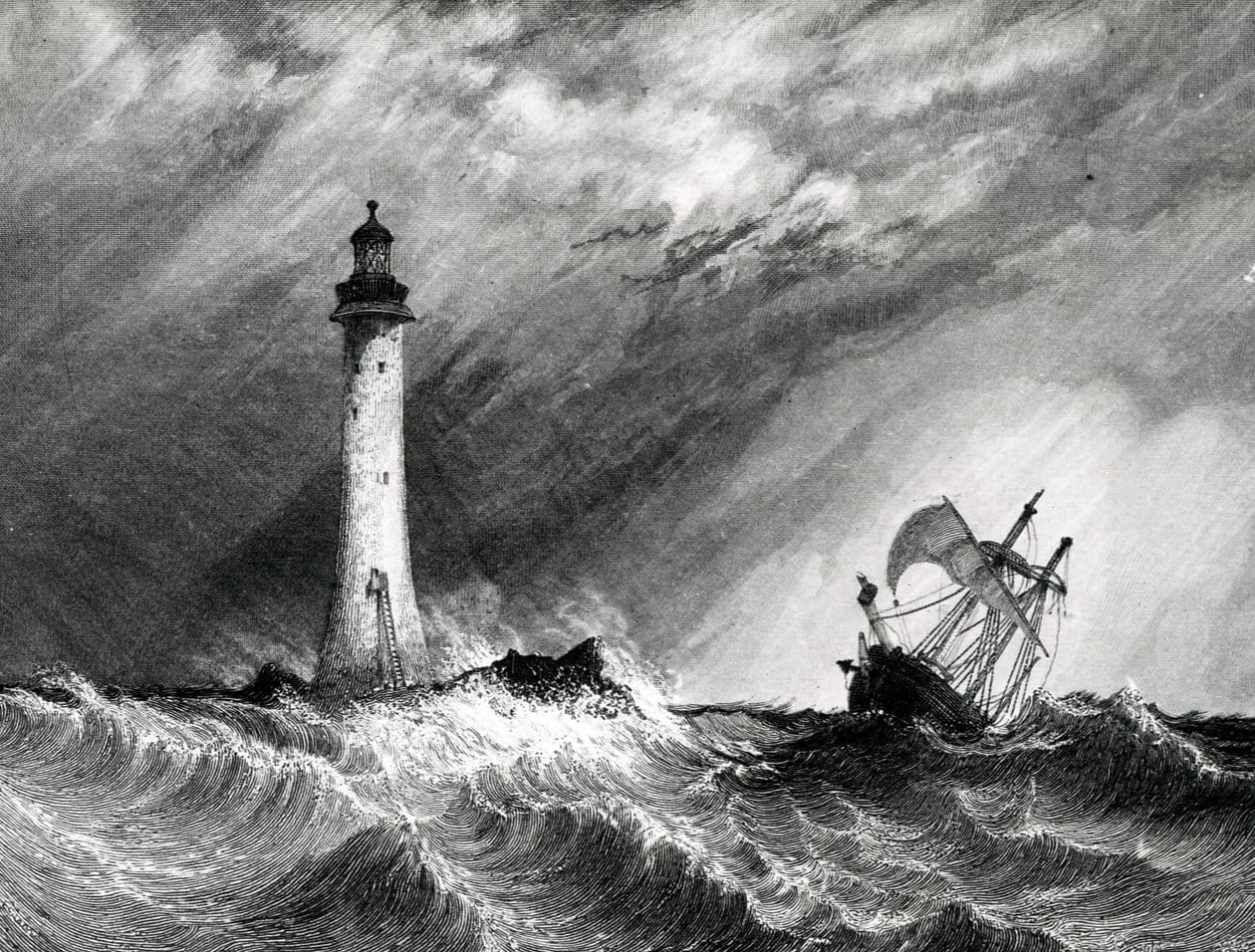
Reiners.org.uk is a think-tank in waiting, gathering diagnostics, and solutions, that are upstream of politics entirely.
What are these problems?
Every British institution is having an auto-immune response against the ordinary inhabitants of the British isles. Our constitution requires that auto-immune response happens - It actively creates the protocol. Constitutions organise and empower institutions. They do this from above like a child arranges his toys. A full diagnosis of this situation, and what led us there, can be found here in my essay "England is under attack, from all sides and within".
What the Englishman wants, if you ask him, is less of the same. He pines for the freedom to breathe, to save what he earns, to speak freely and to enjoy his country among peers with which he shares various things in common with.
Our censorious speech landscape, tax regimen and an immigration policy of imminent ethnic replacement for the indigenous people of Britain does not achieve that. Diagnosing what laws are behind this bothersome situation, has always been my trade.
Contrary to popular belief, Britain's 'unwritten' constitution is actually written down. It is formed of Acts of Parliament (primary law) & secondary legislation (law created using powers delegated by parliament). This constitution is not familiar to the ordinary Englishman in the manner that the American constitution is to the ordinary American. Instead, it is hidden in several thousand documents and continuously watered down. Our constitution has become a hostile constitution and, save for revolution, that situation can only be corrected by way of legislation.
Why start with legislation (bills)?
Legislation is primary law, it is the highest law available in the modern United Kingdom of Great Britain and Northern Ireland. It is the language of parliament, and Parliament, which is supreme in these islands, is our only elected lawmaking body.
Legislation, and the drafting of legislation, is typically created by byzantine and highly gate-kept means. Even an aspirational government, who intends to alter the status quo, must reckon with that (more on that below).
Reiners.org.uk intends to bypass that process entirely.
Parliament gives legislation (Bills) power, by passing them into law by simple majority vote. After a successful vote, in Britain, the monarch then signs a Bill into force by convention (known as royal assent). Once in force, they are known as Acts.
As things stand, legislation begins life as an idea. If the elected government (the executive) has that idea, its idea is called a Green Paper. An example of a Green Paper can be found here – this is Gordon Brown's 2008 Green Paper, which proposed amendments to the Human Rights Act (1998), titled "The Governance of Britain".
Once the proposal is more fleshed out, those proposals are called a White Paper. An example of a White Paper, can be found here, this is Labour's 2025 white paper on immigration, titled "Restoring Control Over The Immigration System: White Paper"
Later, the proposal is converted into a concrete suggestion of a new law that must be voted upon by parliament, known as a Bill.
Once it is passed into law, has survived various read-throughs (readings) in parliament, and signed by the monarch, it is known as an Act – for example, the Human Rights Act (1998).

Most legislation is proposed by the government, who set out their legislative agenda (which bills they intend to pass through parliament) in the King's Speech (when the monarch is male) at the opening of any given parliament.
The Office of Parliamentary Council, a permanent team of civil servant lawyers, then determines what is legislatively possible, and puts together the text of a bill with the occasional proof-read from the relevant government departments. The Government Legal Department oversees aspects of this too – these are also permanent civil servants.

Occasionally, Bills are proposed to parliament by private elected members in the house of commons (Members of Parliament or MPs). MPs may propose a Private Members' Bill at any given time; they can do this as a member of the ruling party who is not a minister, as a member of the opposition party (as Lucy Powell did, back in 2018, when attempting to ban private facebook groups during Labour's time in opposition), or singular independent MPs (as Rupert Lowe MP has, in a attempting to amend the Public Order Act 1986).
Reiners.org.uk bypasses all of this by producing the Bills in full.

My purpose is to provide a raft of draft bills which would, once transmuted into acts by king & parliament, provide the legal force to give the Englishman what he wants. With my predecessor project, I demonstrated that a few people could create seven bills, perhaps even 700 bills, without the backing of executive and the permanent state. Essentially, the point was to prove that anyone can begin acting like Stephen Miller.
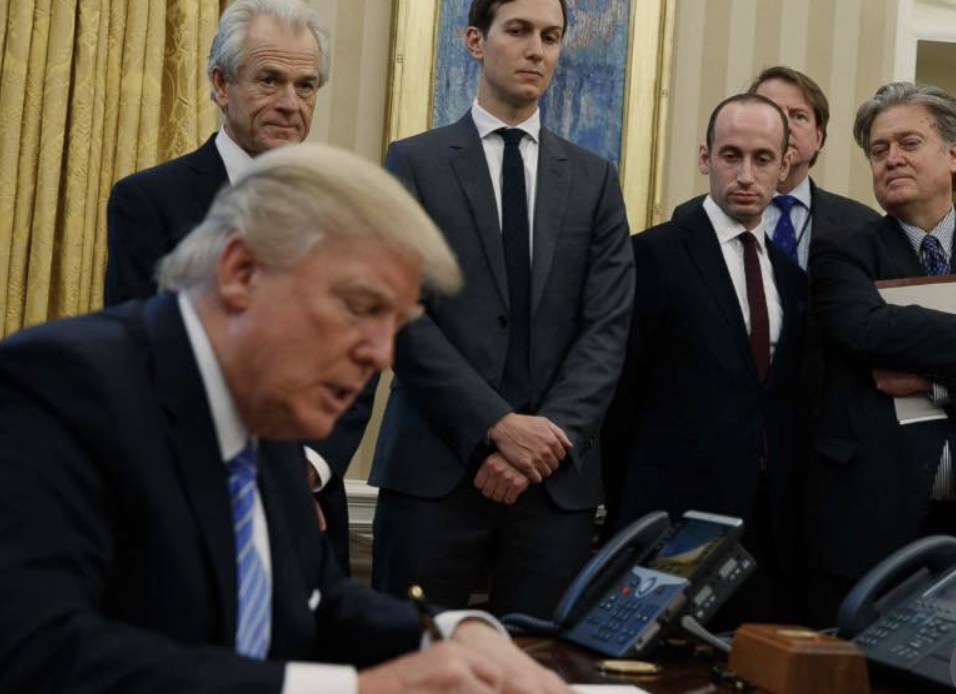
Miller equipped the second trump administration with the firepower to implement its agenda within 100 days; I was intending to equip an ascendant government with some bills, ready-to-go, which would storm through our bloated state in a similar fashion. Without a bill-shaped package like this, whoever wins the next election on a platform of deviation from the (unsatisfactory) status quo will be in the same situation as Trump in 2016 – that is to say they will be beset from all sides and attacked by arms of the permanent state through their term in the shark-cage of office.
In my previous work, I have previously demonstrated that a small team of dedicated individuals can move faster than the think-tank world, the opposition, and indeed the state itself. When it comes to a bill, there are many ways to skin a cat, or in this case, many ways of achieving a legal & constitutional checkpoint that provides satisfactory relief to the Englishman – to John Bull. Now, it is important that it is the correct way.
Reiners.org.uk continues that vision.
Get in touch via contact@reiners.org.uk